




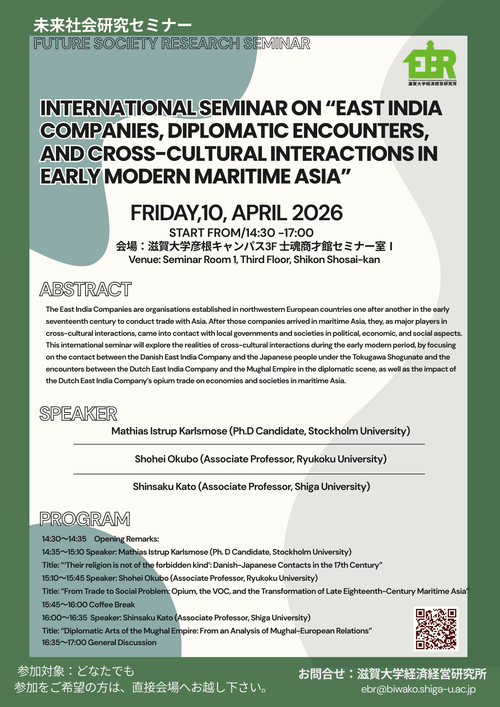
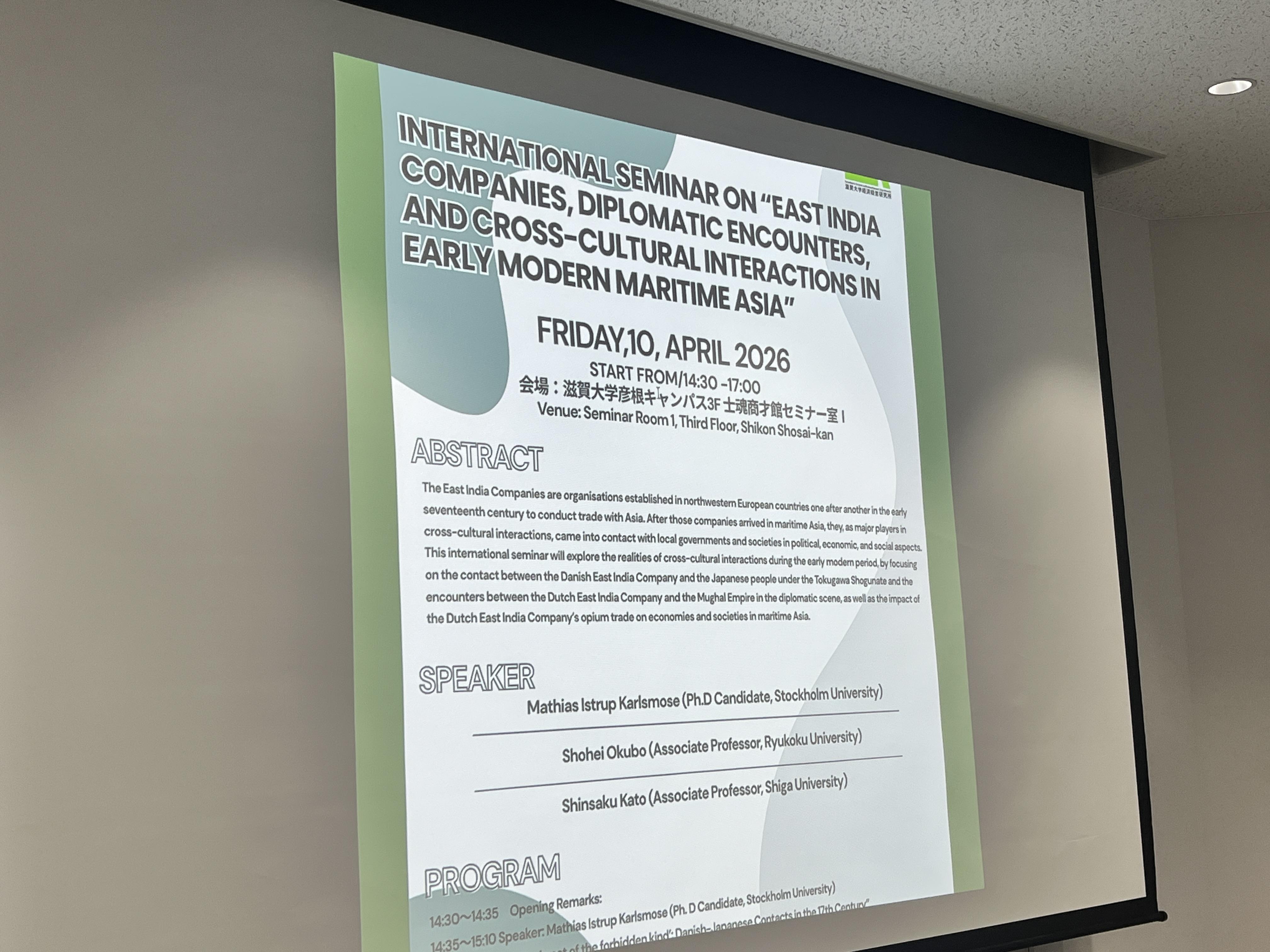
・講演日時:2026年4月10日(金)14:30-17:00
・表題:International Seminar on "East India Companies, Diplomatic Encounters, and Cross-Cultural
Interactions in Early Modern Maritime Asia"
・講師:
・Mathias Istrup Karlsmose (Ph.D Candidate, Stockholm University)
・Shohei Okubo (Associate Professor, Ryukoku University)
・Shinsaku Kato (Associate Professor, Shiga University)
・開催様式:対面
・開催場所:総合研究棟士魂商才館3F セミナー室Ⅰ(Venue: Seminar Room 1, Third Floor, Shikon Shosai-kan)
・講演言語:英語
Abstract
The East India Companies are organisations established in northwestern European countries one after another in
the early seventeenth century to conduct trade with Asia. After those companies arrived in maritime Asia, they,
as major players in cross-cultural interactions, came into contact with local governments and societies in political, economic, and social aspects. This international seminar will explore the realities of cross-cultural interactions
during the early modern period, by focusing on the contact between the Danish East India Company and the
Japanese people under the Tokugawa Shogunate and the encounters between the Dutch East India Company and
the Mughal Empire in the diplomatic scene, as well as the impact of the Dutch East India Company's opium trade
on economies and societies in maritime Asia.
Program
14:30-14:35 Opening Remarks
14:35-15:10
Speaker: Mathias Istrup Karlsmose (Ph.D Candidate, Stockholm University)
Title: "Their religion is not of the forbidden kind: Danish-Japanese Contacts in the 17th Century"
15:10-15:45
Speaker: Shohei Okubo (Associate Professor, Ryukoku University)
Title: "From Trade to Social Problem: Opium, the VOC, and the Transformation of Late Eighteenth-Century Maritime Asia"
15:45-16:00 Coffee Break
16:00-16:35
Speaker: Shinsaku Kato (Associate Professor, Shiga University)
Title: "Diplomatic Arts of the Mughal Empire: From an Analysis of Mughal-European Relations"
16:35-17:00 General Discussion
講演報告
本セミナーでは、本格的なグローバル化が始まった近世における異文化間交流の主体としての東インド会社に注目し、海域アジアにおける諸東インド会社と在地の人々との間の接触の実態、そうした接触が海域アジアにもたらした影響について考察することを目的として、登壇者3名がそれぞれの研究報告をおこなった。
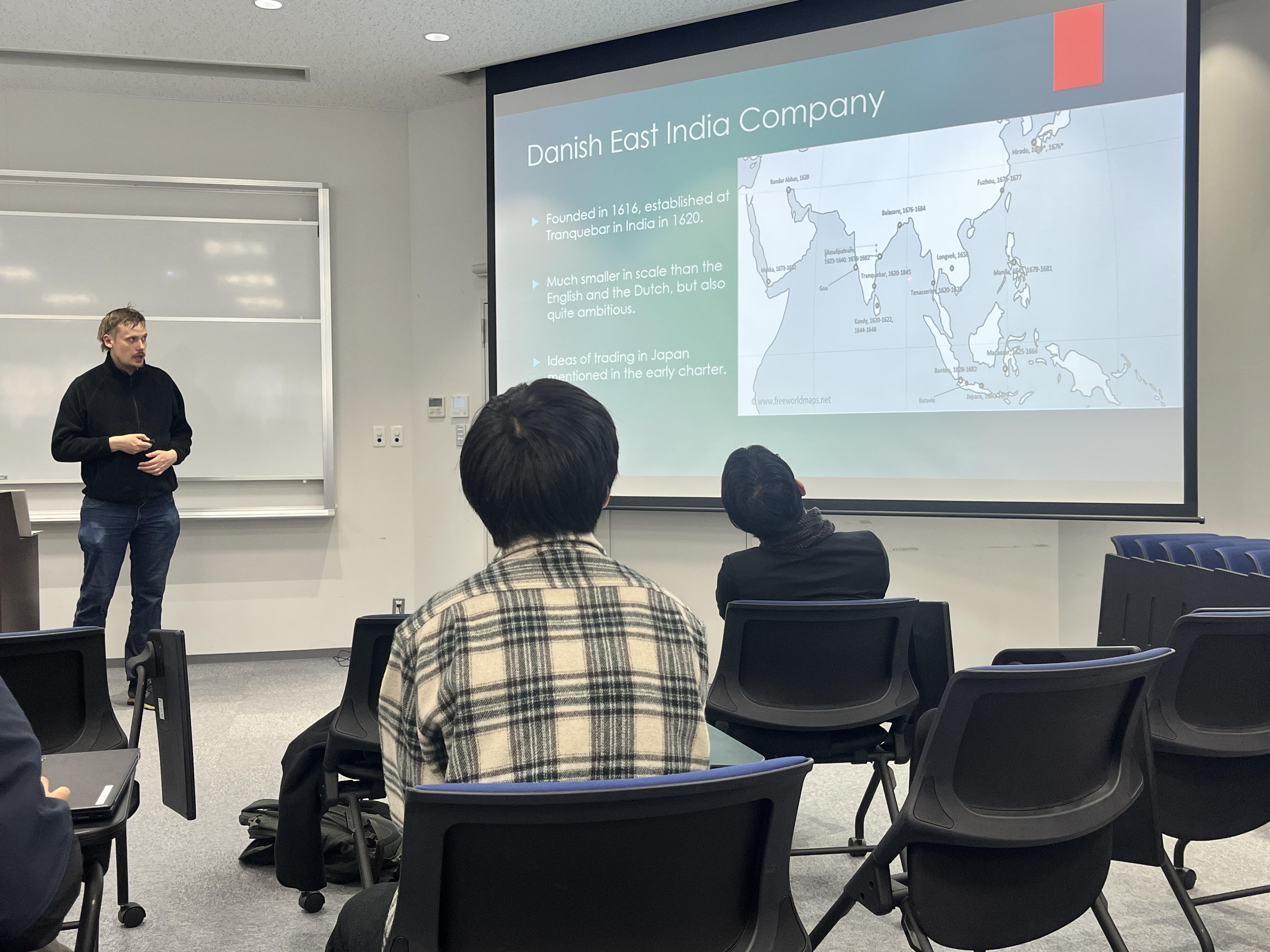
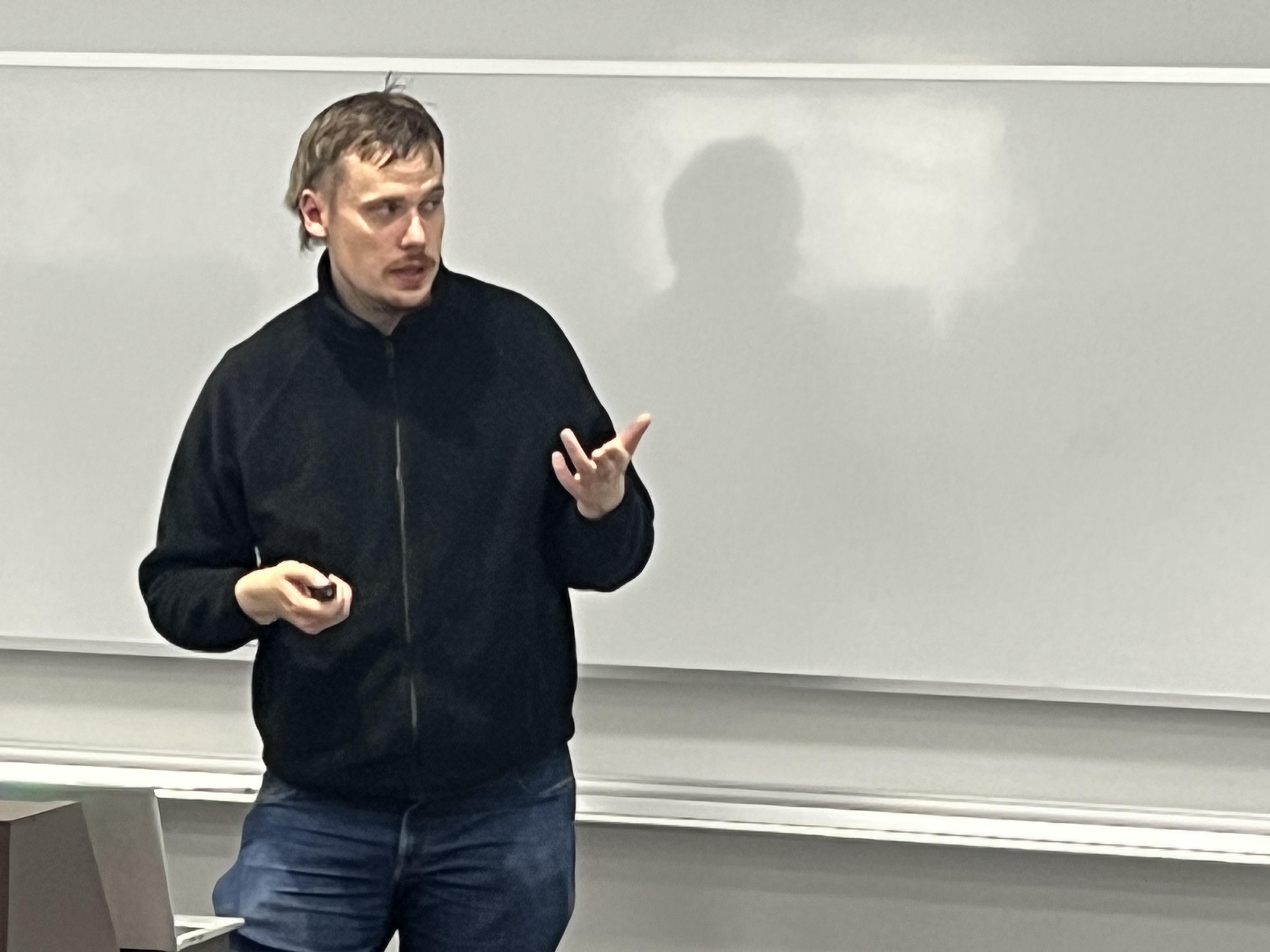
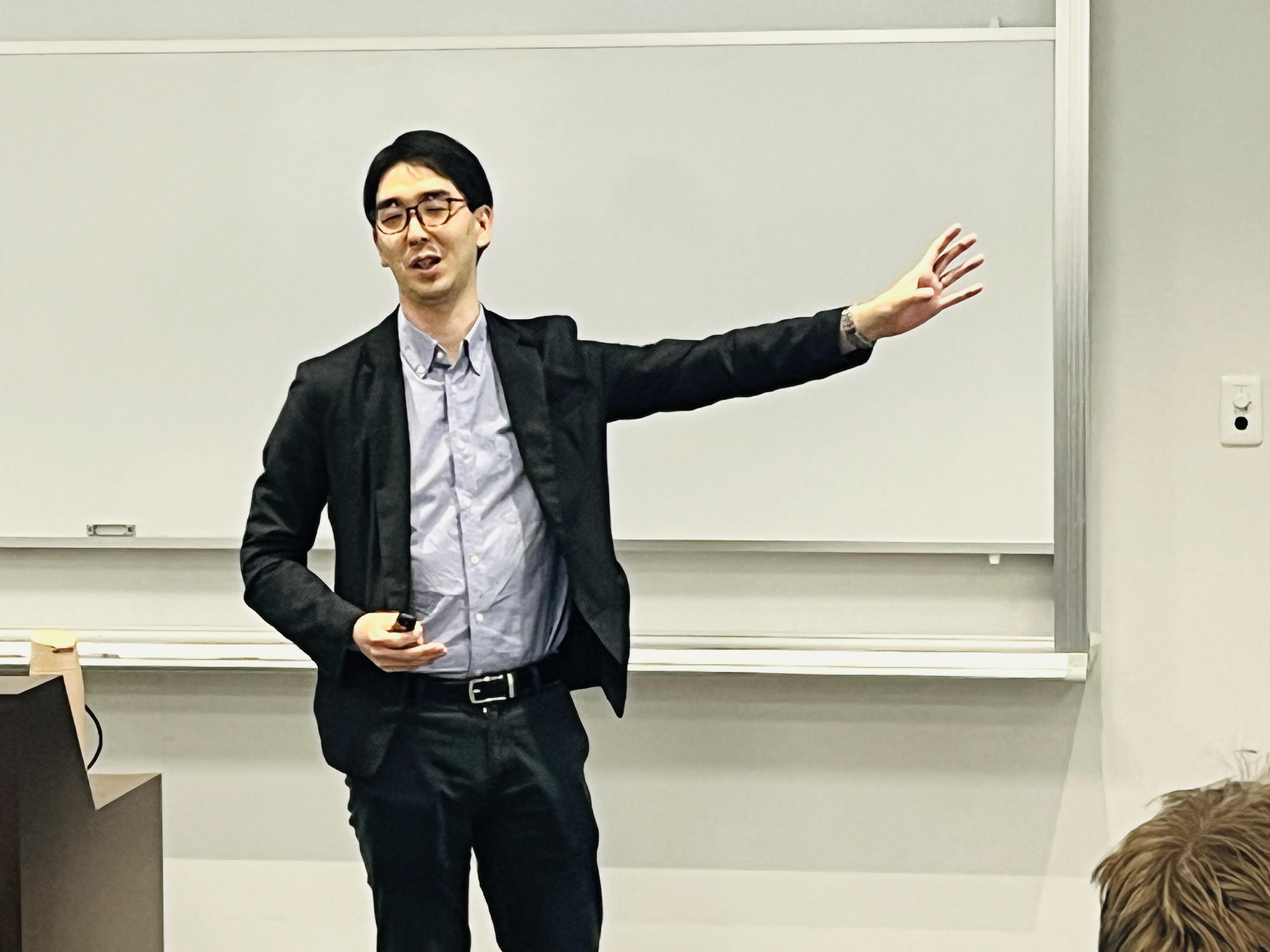
第一登壇者のマティアス・カールスモーセ氏(ストックホルム大学・博士課程)は、17世紀におけるデンマーク東インド会社による、1640年前後と1670年代における2度の日本への接触の試みについて論じた。この2度の試みは、どちらも失敗に終わった。デンマーク人による日本進出の試みに対して、ヨーロッパ人の中で日本貿易を独占するオランダ東インド会社がデンマーク人の日本進出を妨げようと江戸幕府に逐一彼らの情報を注進していたこと、江戸幕府がオランダ人を介してデンマーク人の宗教やその他のヨーロッパ人との関係などに関する情報を把握していたこと、デンマーク人が日本進出にあたってスペイン人やポルトガル人と連携する動きを見せたことなどが指摘された。
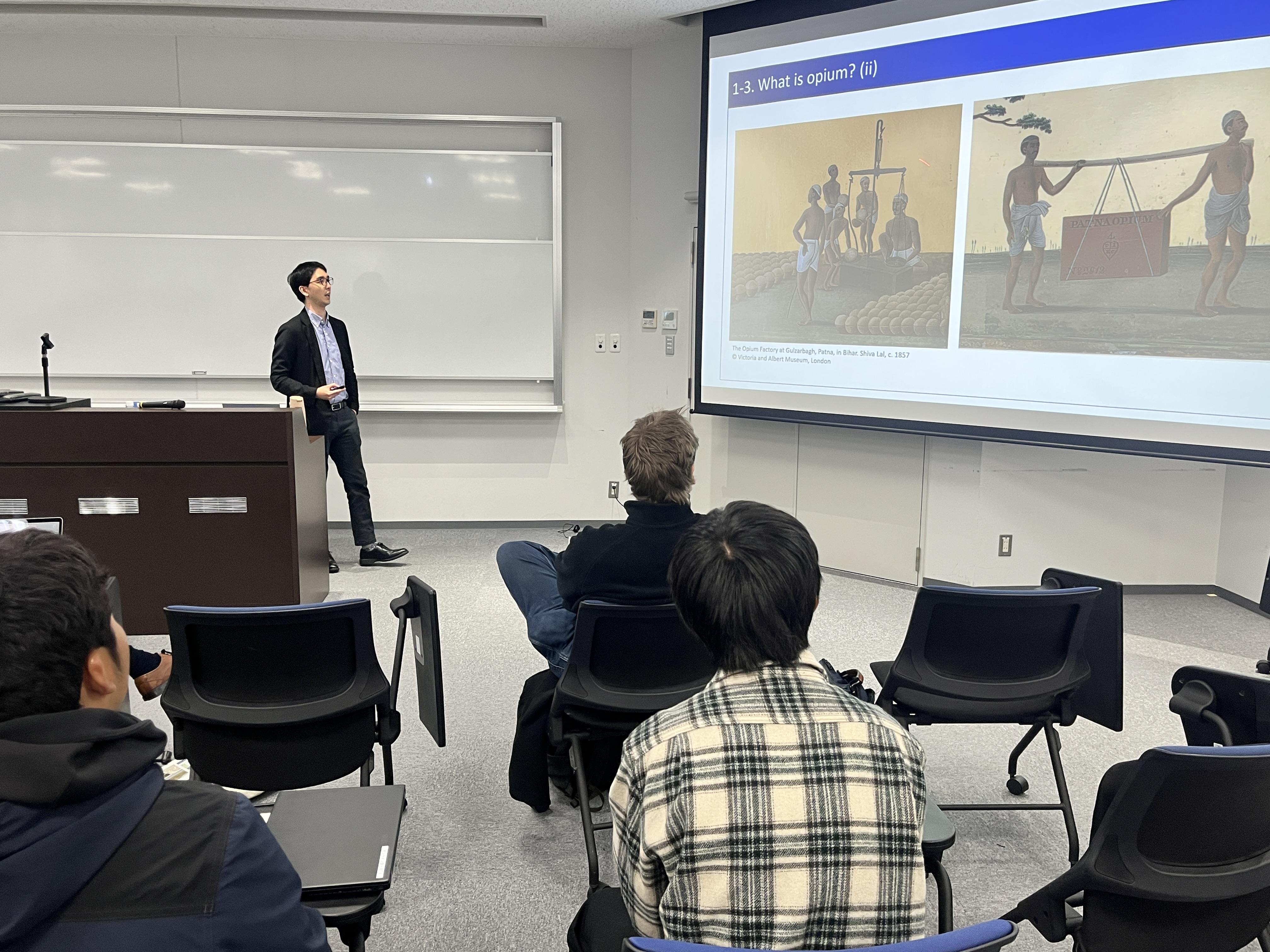
次に大久保翔平氏(龍谷大学)が17・18世紀においてオランダ東インド会社が実施したアヘン貿易が海域アジアにおける社会・経済などに与えた影響について議論した。具体的にはアヘンの生産・流通・消費に至るまでのサプライチェーンの実態について分析し、さらに仕入価格の高騰、治安の悪化、密輸の横行といった18世紀後半に生じたアヘン貿易の環境をめぐる変化とそれに対応するために生じたアヘン貿易の構造の変化について検討した。
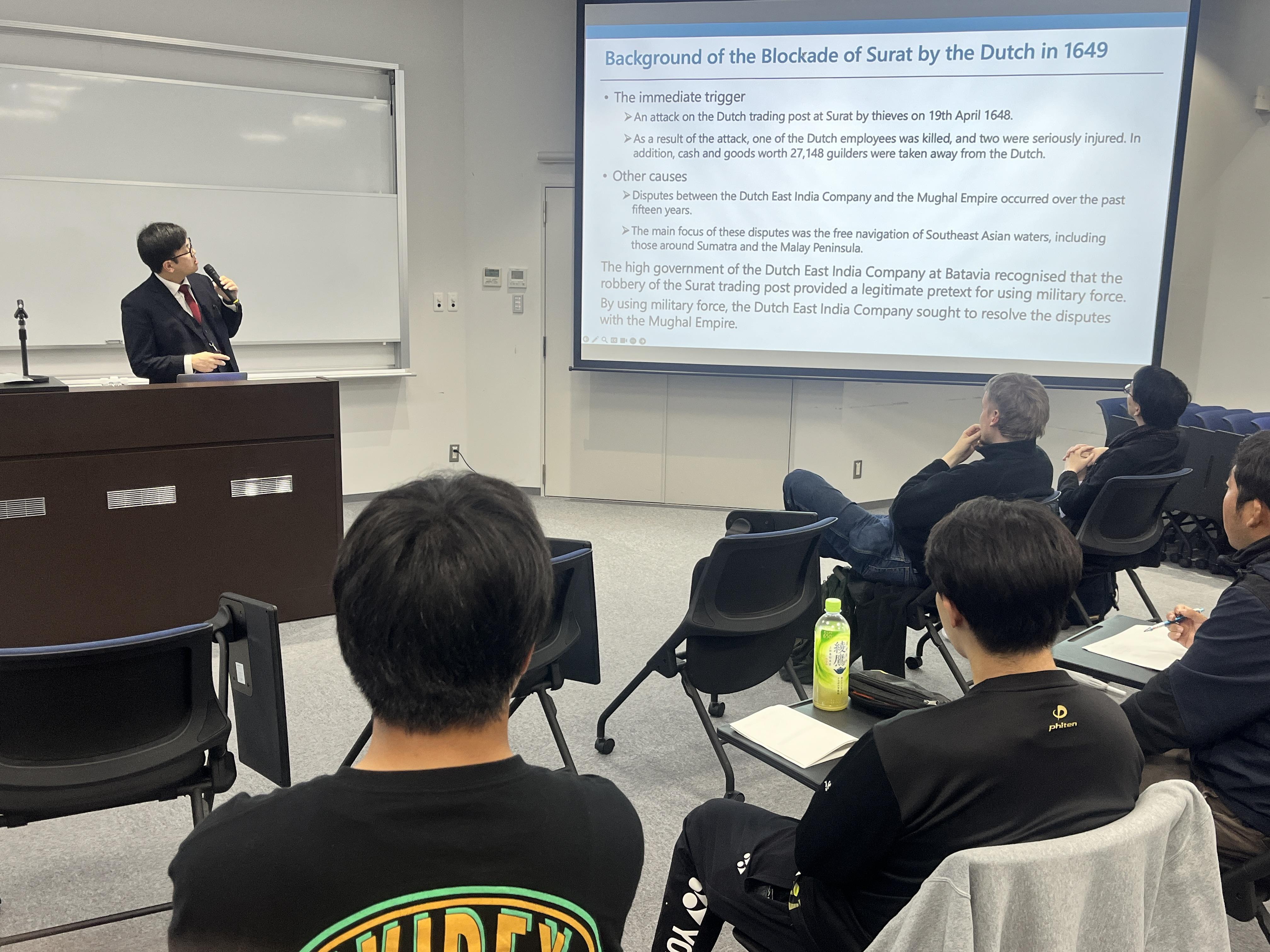
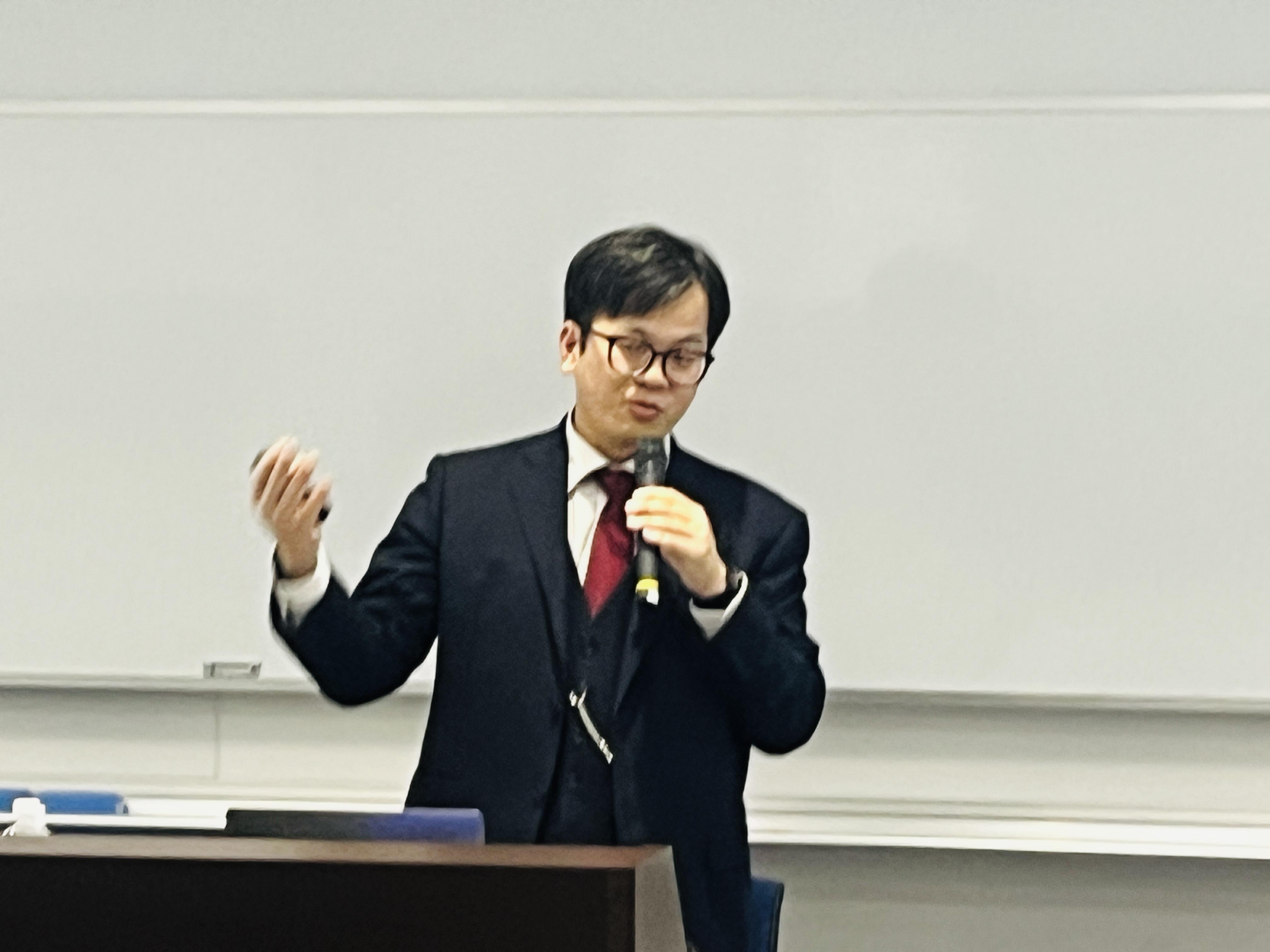
最後に嘉藤慎作(滋賀大学)が17世紀中葉におけるムガル朝とオランダ東インド会社との間の交渉事例の分析を通じて、ムガル朝が用いた外交上の手法について論じた。オランダ東インド会社が1649年にスーラトの港湾を封鎖してムガル朝に要求を吞むように圧力をかけると、スーラト県知事は要求を受諾する内容の協定をオランダ人との間に締結した。しかし、この時、実際にはムガル皇帝による承認が必要との条件が付されていた。最終的に、ムガル皇帝は、この協定の内容をうやむやにするような勅令を発することで、協定は効力をもちえなかった。こうした統治制度を利用した外交手法によって、オランダ東インド会社による一時的な武力による圧力をムガル朝は回避することに成功した。
質疑応答の際には、デンマーク人がなぜ日本接触にあたってスペイン人やポルトガル人と連携しようとしたのか、アヘンが引き起こした治安の悪化等の実害はより具体的にどのようなものであったのか、19世紀にイギリスがおこなった砲艦外交と異なり、オランダ東インド会社による武力を用いた外交が不首尾に終わったのはなぜか、といった質問がフロアからなされるなど、活発な議論がおこなわれた。(参加者18名)
(文責:経済学部准教授 嘉藤慎作)
本ページに関するお問い合わせは
滋賀大学経済経営研究所
TEL:0749-27-1047 / FAX:0749-27-1397
E-mail:ebr(at)biwako.shiga-u.ac.jp
※(at)を@に変更して送信してください